Showing posts with label tomatoes. Show all posts

Monday, October 6, 2014

Fall Colors and a Harvest Feast

Fall really started suddenly here. Probably because we had a strange warm spell a week ago when it was near 80 degrees outside and it felt like summer. But the temperatures have plummeted and now we're seeing the normal 40s-50s and even had our first frost advisory this weekend. The colors have been lovely, especially on some of the early changing trees like the Kentucky Coffee trees by TCF Bank Stadium. They really did a good job with landscaping around such a huge structure, don't you think. They definitely knew what they were doing when they planted trees that would turn one of our school colors (gold) in fall during football season.


Out at the farm we're seeing lots of fall wildflowers popping up in the perennial area. Mainly asters this week were displaying some lovely purple and ethereal-looking whites. 


We had to bundle up some of the crops for the potential frost that was going to hit this weekend. Below you'll see a picture of some of the covered rows of ground cherries. That white fabric was definitely difficult to put on in the 30mph winds we had that day.


Because of the potential frost, we also had to harvest as much as we could before the frost got to it. We went all out on what's left of the tomato patch, got the remaining winter squash in and scavenged for anything else that was left.
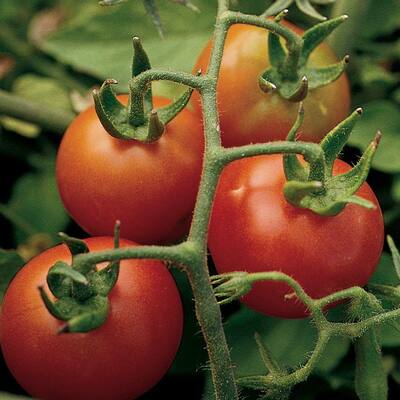
In my personal plot, I harvested out as much as I could. I came home with quite the bounty. My zuchetta plant was still going strong, so I picked whatever was there, small or large. Tomato yields were pretty good as well. My favorite variety for the year was Sunset Bumblebee. I'll probably do a seed saving post on those later. Otherwise, my basil plants have had good yields, but I only got one orange pepper for the whole year. Had some volunteer tomatillos in my plot as well.


Once I laid out all the produce I knew I was going to have to do something with them now or else risk letting them sit around in the kitchen where I would procrastinate on using them only to have them go bad.
Luckily I had just ran out of my preserved basil the week before, so I put another round of basil and olive oil into the empty ice cube tray and stuck that in the freezer. This is probably my favorite way to preserve herbs because they're easy to pop out and use whenever you need them. I also use a lot of olive oil in dishes, so this method is perfect for me. Preserving in the ice cube tray is also nice because usually one cube is just enough for sauteing in the size pan that I own.


With the tomatoes and some of the basil, I whipped up my favorite One-Pot-Pasta recipe. This is a great, fast meal because everything happens in the same pot so you don't have to worry about watching different things. You can make this in several easy steps:

One Pot Pasta
Step 1) Start to cook the amount of pasta you need for the number of people you're serving.
Step 2) While the pasta is cooking, cut your tomatoes into small, bite size pieces. I usually use cherry tomatoes that I halve and quarter.
Step 3) When your pasta is almost done, strain off a large amount of the cooking water, leaving a little still in the bottom of the pan. You need this for the base of the sauce.
Step 4) Add the tomatoes (and onions, garlic, basil, whatever else you like in sauce) and cover the pan.
Step 5) Cook until added ingredients are soft and have incorporated somewhat into the the water.
Step 6) Cool and enjoy!


I had several zuchetta squash that had broken ends and needed to be used straight away, so I sliced them into thin rounds, threw them in a pan with some olive oil and sauteed them until soft. Once they were soft, I lowered the heat as low as possible and covered them with shredded cheese and some garlic salt. When the cheese had melted, I served them as a side to my pasta dish. They were pretty delicious. The picture below is a bit blurry, but you get the general idea.


Overall, it was a lovely fall harvest feast. I brought the kale, tomatillos and most of the tomatoes to my parents who were in town this weekend, along with two winter squash my mom asked me to pick up from the farm. I feel like I'm turning into their own personal CSA since I seem to bring them vegetables every time I see them!

Now I'm off to the farm for work, and thankfully we have a lovely, sunny fall day to make up for the terribly cold and windy day we had last Friday.
Cheers!
-Abby

Monday, July 7, 2014

The Garden of Misfit Plants


Every year I seem to have an unconventional garden set-up. This probably has a lot to do with the fact that I don't actually have a garden where I live. Why a landlord would decide to pave over any empty space in the backyard I will never understand, but the only option it has left me with is to find garden space elsewhere. Luckily, the Cornercopia Student Organic Farm that I am an intern at this summer offers it's interns a 10ft x 12ft plot to do with what they wish. Jackpot. After figuring out how to work the tiller, weeding out the plot and raking it flat, I was good to go. I had a few things of my own (mostly tomatoes and a lonely zuchetta plant) to put in the plot, but those only took up a small portion of the space I had at my disposal. 

My zuchetta plant which I started from seed is doing rather well.

This is where my orphaned plant garden began. Working on a farm, you often don't plant every single transplant that you grow out in the greenhouses. Usually it's a matter of growing too many transplants and not having enough space in the field for all of them. I've always had a soft spot for plants that aren't doing so great. I always feel so bad for them and just want to give them a fighting chance, instead of just watching them waste away in unwatered pots. This was the case with a good number of the plants I acquired. The basil, peppers and calendula were all leftover plants that were eventually going to get composted. 

One of the orphaned sweet peppers.

The other plants were the runts of their respective trays. Most of the melon plants were large and had several of their true leaves on them. The runts, however, barely had one or two true leaves, as you can see in the picture below. 

One of the runts of the Sweet Dakota Rose watermelon litter.

The last plants are brassicas that somehow ended up sprouting in the pepper plant flats and no one really knows what they are (my guess is they're broccoli). I popped them out of their adopted flats and put them in my plot just to see what they'd do.

So, in list form, my garden currently has:
-Tomatoes (5 plants, varieties can be found here)
-Sweet Peppers (4 plants)
-King Arthur Sweet Peppers (3 plants)
-Unidentified Brassicas (2 plants)
-Sweet Dakota Rose Watermelon (2 plants)
-Muskmelon (1 plant)
-Zuchetta (1 plant)
-Basil (5 plants)
-Calendula (5 plants)

I have a few more of my own Roma tomato plants and a pepper plant to add to the mix, but we'll see if I end up adding anything more to the mix. I'm glad that I have the opportunity to garden again this summer, no matter how unconventional it is. I'm also happy I can satisfy my inner nurturer that just wants to save as many orphaned plants as I can. I never want anything to go to waste in gardening, plants included. I never thought I would grow melons or brassicas this summer, but these misfit plants definitely changed my mind. I just hope all of them end up making it!

Monday, April 28, 2014

How to Graft Your Own Tomatoes


Some of you may have seen grafted tomatoes cropping up in garden centers over the past couple of seasons. But what really is the difference between a grafted tomatoes and non-grafted tomatoes? Grafted tomatoes have turned up for many of the same reasons that we graft other plants. Tomato grafting first because practice in the 1960s when grafting was mainly done to make the tomato plants more disease resistant. Now, grafting is done for a number of different reasons. Sometimes growers graft tomatoes so that they are more resistant to abiotic stresses (salinity, drought, flooding) or they choose rootstocks that are better suited to their growing conditions (soil, temperatures, etc). This hardier rootstock is then attached to a scion (aka "the top part") of a variety that the growers want. In some cases, grafting can also cause the tomato plant to be higher yielding, extending it's growing season at the beginning and the end.
One common factor among grafted tomatoes that you'll see when you're shopping around your garden center this spring is that, usually, these plants are more expensive than your normal tomato plants. For some, the cost is worth it for the higher yield and higher tolerance to several factors. But if you want to try your hand at grafting and skipping the higher prices at the register, here's a step-by-step tutorial for grafting your own tomato plants.

Wednesday, April 23, 2014

Suddenly, Tomatoes

I may have gotten in a bit over my head today. After potting up tomatoes for the Student Organic Farm here at my university, there were dozens of extras left over. I maaaay have snagged six seedlings on top of the four seedlings I'm already attempting to germinate at home. And, oh yeah, we grafted some tomatoes earlier in class, so that's two more if both the grafts heal. So that's potentially 12 TOMATO PLANTS worth of fruit that I'll have to find something to do with this summer. Anyone know how to can?
There is a reason, however that I snagged all these seedlings. They're really cool varieties that I just couldn't pass up. The best part? All the plants come from organic seeds.


The new plants that have taken up residence on the kitchen windowsill are:

Sunrise Bumble Bee (OG)
Sunrise Bumblebee: Props to whoever named this one because there's no way you could forget a tomato name like that.

Fox Cherry: This one you can find through Seeds of Change and is a vine variety.

Lemonade: Sadly, it's very difficult to find a picture of this tomato. Google only gives me recipes for tomato lemonade. It'd be helpful if I could remember what company supplies it, but I saw a seed packet once a month or so ago...

Indigo Rose (OG)
Indigo Rose: I'm really excited to grow a deep purple (or black, since that sounds more impressive) tomato. Another exciting part is anthocyanins, the chemical that causes the dark color, are powerful anti-oxidants.

Sun Sugar Tomato
Sun Sugar: This tomato has been named a favorite for sweetness and is an incredibly vigorous producer. 

Striped Roman Tomato Organic
Striped Roman: This one not only looks awesome, but is the best sauce tomato the farm grows.

So, as you can tell, I'm pretty excited about growing all of these varieties. On top of these, if those grafted tomatoes hold up, I'll have Marvel Striped tomatoes to add to the list. I also just started some regular Roma tomatoes and some Amana Orange from seeds I already had. It's going to be a big tomato fest this summer and I can't wait to get started!